



What Permits & Import Qualifications Do You Need to Open a Padel Court Business in the USA
Padel is one of America’s fastest‑growing racquet sports. By 2026, more than 1.07 million people have played padel across the United States, while the national court inventory has surpassed 1,000 active courts, with year‑over‑year club membership growth hitting 51.5% in 2025. Industry forecasts predict the total number of U.S. padel courts will jump from 369 in early‑2026 to between 900‑1,500 courts by Q1‑2028, revealing a massive supply gap for new investors and venue builders.
Many overseas padel facility suppliers and local club owners underestimate two high‑risk parts of launching a padel venue: import compliance for international‑sourced court materials, and local government operating permits. Research from the American Sports Builders Association shows that 32% of new padel construction delays in 2025‑2026 stemmed from missing import documentation or incorrect local zoning approval, pushing back opening dates by an average of 7‑11 weeks and costing investors $12,000‑$28,000 in lost revenue during idle time. This guide breaks down every qualification, permit, and import requirement you need before construction begins.
Part 1: Import‑Related Qualifications for Overseas‑Sourced Padel Court Materials
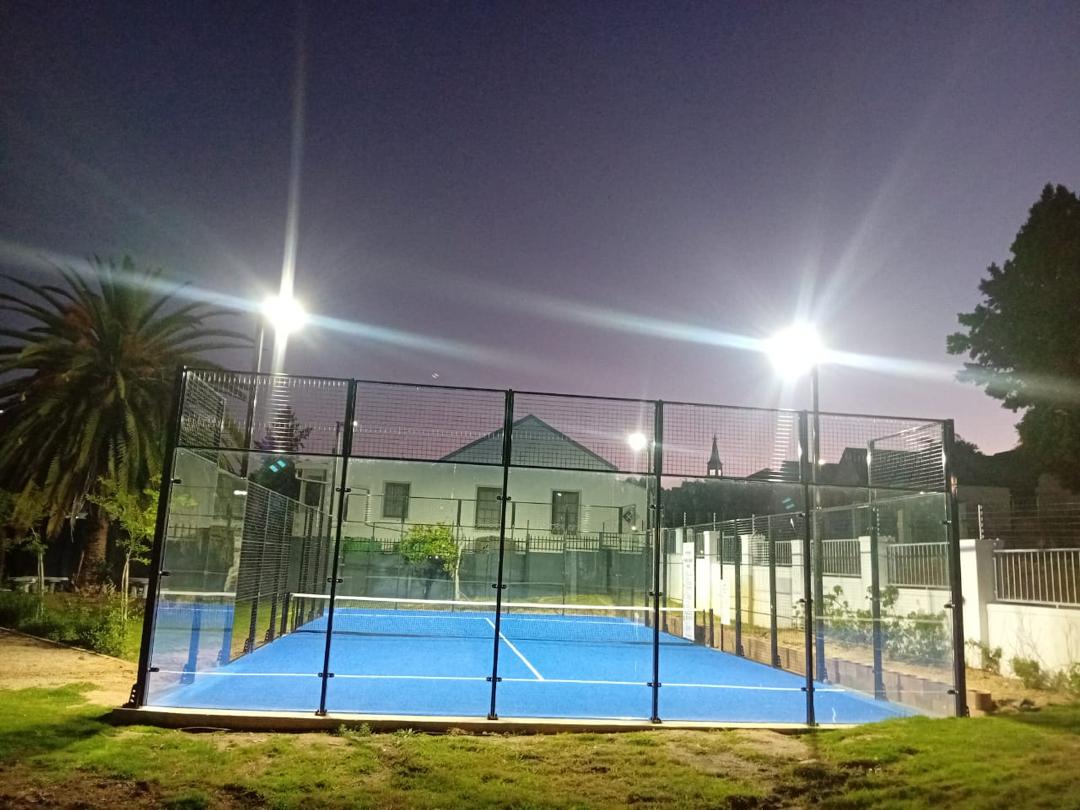
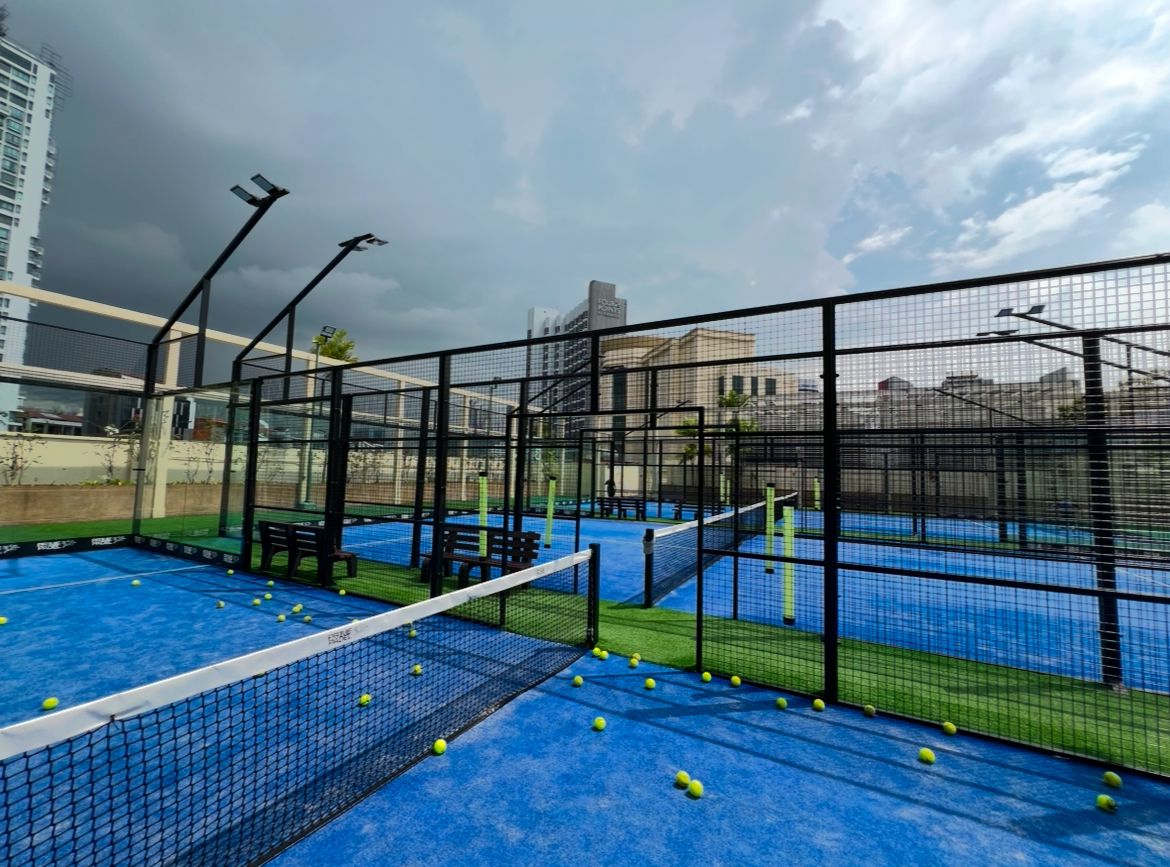
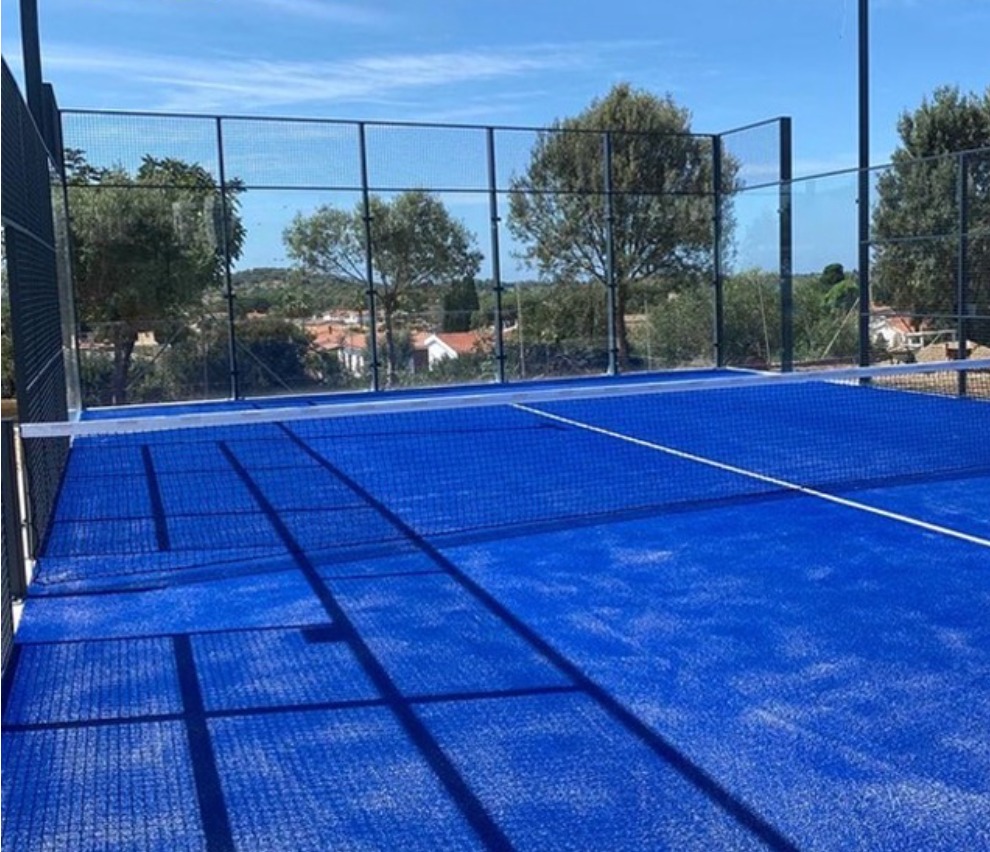
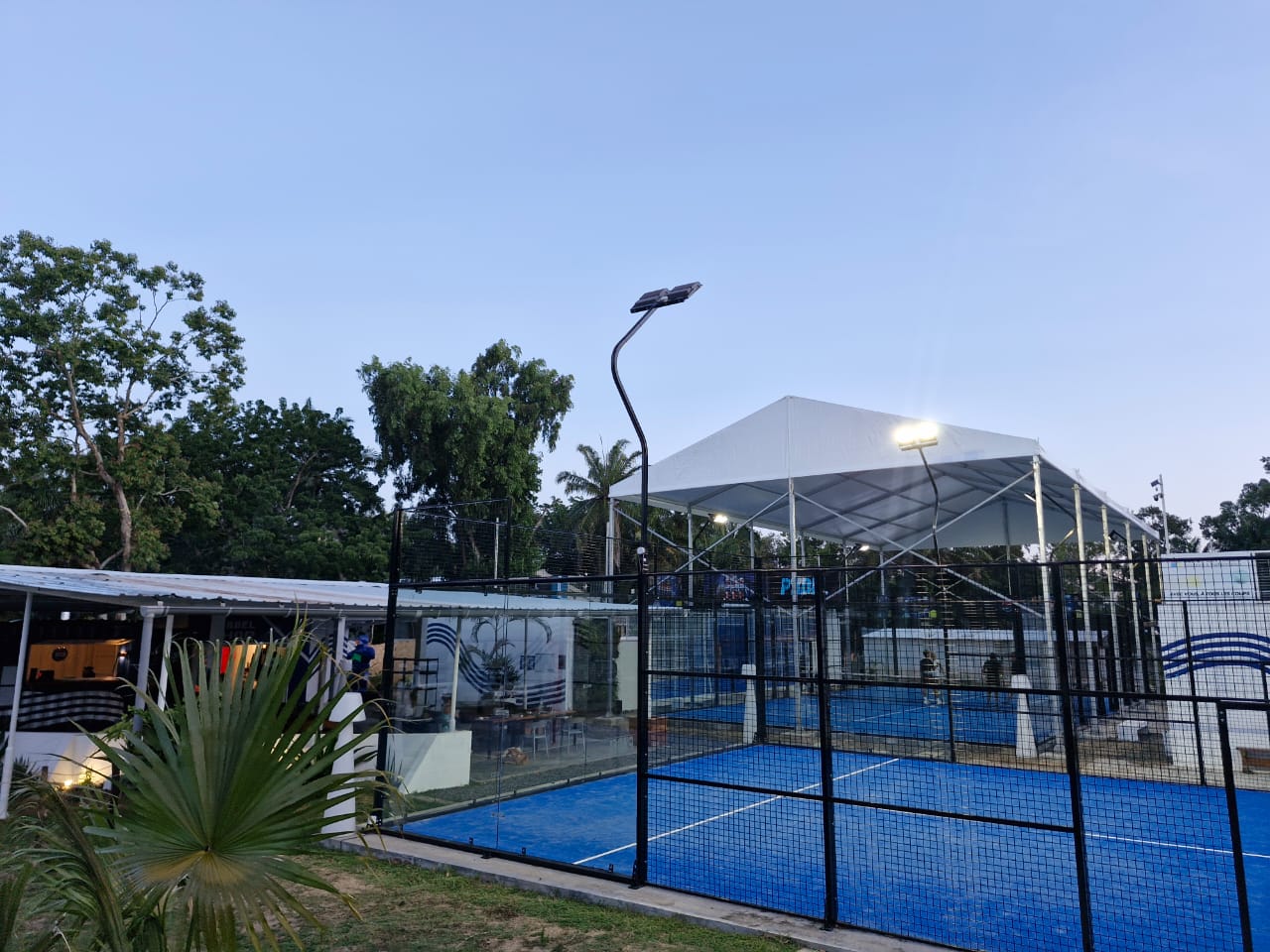
A full standard padel court package usually contains hot‑dip galvanized steel frames, 10‑12 mm tempered safety glass walls, artificial turf, net systems, LED floodlights, and installation hardware components. When importing these pre‑fabricated court kits into the United States, you must satisfy both federal CBP (Customs and Border Protection) rules and product safety standards.
1.1 Core Customs Import Documents
All shipments classified under HTS code 9506.99.00 (sports equipment, padel court structures) attract a baseline Most‑Favored‑Nation import duty rate of 4%; goods manufactured in China may face extra Section 301 tariff charges on top of this baseline duty. Mandatory paperwork includes:
- Commercial Invoice, detailed packing list, Ocean/Air Bill of Lading
- Customs Bond: You must purchase either a continuous annual bond or single‑entry bond before cargo arrives, required for all commercial imports valued above $2,500 USD.
- CBP Entry Forms 3461 and 7501 for official customs declaration
- Certificate of Origin proving manufacturing country, used to calculate accurate tariff costs.
No federal‑level import license is required for standard padel court structures, but importers still need an active U.S. Importer ID Number to clear goods at ports of entryUSAGov.
1.2 Material Safety & Product Certifications You Must Obtain From Your Manufacturer
Customs clearance is only half the compliance process. Your local building department will review these material certificates during construction inspections:
- Tempered glass walls: Impact‑safety test reports, compliance evidence matching EN 12150 international safety standards or equivalent U.S. safety glass specifications.
- Galvanized steel frame: Hot‑dip galvanization anti‑corrosion test certificates, structural load‑testing documentation. Outdoor courts in hurricane‑prone states such as Florida must prove steel‑glass assemblies meet ASCE 7 wind‑load requirements for wind speeds up to 140‑180 mph.
- Artificial turf: GCC (General Conformity Certificate) confirming the synthetic grass meets U.S. lead‑content and heavy‑metal safety standards. If your facility will offer youth‑focused programs, extra safety traceability labels on turf rolls are strongly recommended to avoid inspection failures.
- Optional tournament‑grade upgrade: FIP (International Padel Federation) compliance certification, required if you intend to host official sanctioned padel competitions at your venue.
Part 2: Local Site & Operating Permits Required to Open Your U.S. Padel Court
Unlike many European nations, the United States does not run one unified national padel‑venue approval system. 94% of construction and operating approvals are decided at county or municipal city‑hall level, and permit requirements differ widely from Texas to California, Florida, or New York state. Below is the standard checklist every new padel investor needs:
2.1 Land‑Use & Zoning Permits
This is the most frequently overlooked approval step. Before purchasing land or signing a warehouse/retail lease:
- Zoning verification: Confirm your land parcel is zoned for recreational sports use. Around 28% of padel investors who selected former warehouse or big‑box retail spaces needed a conditional‑use zoning variance, adding 4‑8 weeks of review time to their schedule.
- Site plan approval: Submit engineered blueprints showing court layout, setback distances, drainage infrastructure, car‑parking capacity, noise‑buffer zones and lighting spill‑control plans. Most suburban municipalities demand 8‑12 parking spots per 4‑court padel club.
2.2 Construction & Trade Permits
- General Building Permit: Mandatory for permanent steel‑and‑glass padel court builds. Engineers must design structures compliant with the International Building Code (IBC), adopted across all 50 U.S. states.
- Electrical Permit: Required for LED court lighting, clubhouse power, scoreboard wiring. Licensed local electricians must complete sign‑off inspections.
- Plumbing & Drainage Permit: Needed for outdoor‑court surface water drainage systems, restrooms and shower facilities inside your club building.
- Noise assessment report: If your land sits within 50‑meter range of residential housing areas, many cities require an acoustic study proving your venue will stay under local nighttime noise‑decibel limits.
2.3 Business‑Operation Certifications After Construction Completion
- Business entity registration: Form an LLC or S‑Corp and apply for your Federal EIN (Employer Identification Number) from the IRS before opening for bookings.
- Local city business operating license.
- Certificate of Occupancy (CO): The final inspection sign‑off document issued by your municipal building department, legally allowing you to welcome paying customers onto your courts.
- Insurance coverage: Industry best practice recommends $2‑3 million USD general‑liability sports‑facility insurance; 87% of U.S. padel clubs in operation in 2026 also carry additional equipment damage coverage for imported glass‑wall panels.
Part 3: Cost & Timeline Benchmark Data for Compliance Work
| Compliance Work Item | Average Cost Range | Typical Processing Lead‑Time |
|---|---|---|
| Customs Bond + Import Clearance Fees | $600 – $2,200 | 3‑7 working days |
| Third‑party material safety testing & certification reviews | $1,800 – $4,500 | 2‑4 weeks |
| Zoning review + conditional‑use variance application | $2,500 – $9,000 | 4‑12 weeks |
| Full building, electrical and drainage permit package | $3,200 – $7,800 | 2‑6 weeks |
Total startup compliance costs for a standard 4‑court padel venue usually represent 6%‑9% of your overall construction budget, according to 2026 U.S. padel investor survey data. Skipping certification checks to save upfront money can lead to court shutdowns, fines, and forced reconstruction costs that run 3‑5 times higher than original compliance expenses.
Final Checklist Before Launching Your Import‑Built Padel Facility
✅ Secure U.S. Importer ID and Customs Bond
✅ Collect steel, glass, turf safety test certificates from your overseas factory
✅ Confirm local zoning allows recreational padel‑sports activity
✅ Submit engineered construction blueprints and secure full building permits
✅ Pass final site inspection and obtain Certificate of Occupancy
✅ Register your business entity, buy sports‑facility liability insurance
✅ (Optional) Apply for USPA club membership and FIP tournament certification